Rainier GPR concrete scanning, imaging & underground utility locating: ground penetrating radar for contractors in Seattle WA and Orlando FL. Rebar, post-tension cables, conduits, voids, and buried utilities located, marked on-site, and documented.
REBAR · BLUE
✓ CLEAR TO CORE
Three services. Zero guesswork.
Concrete Scanning & Imaging
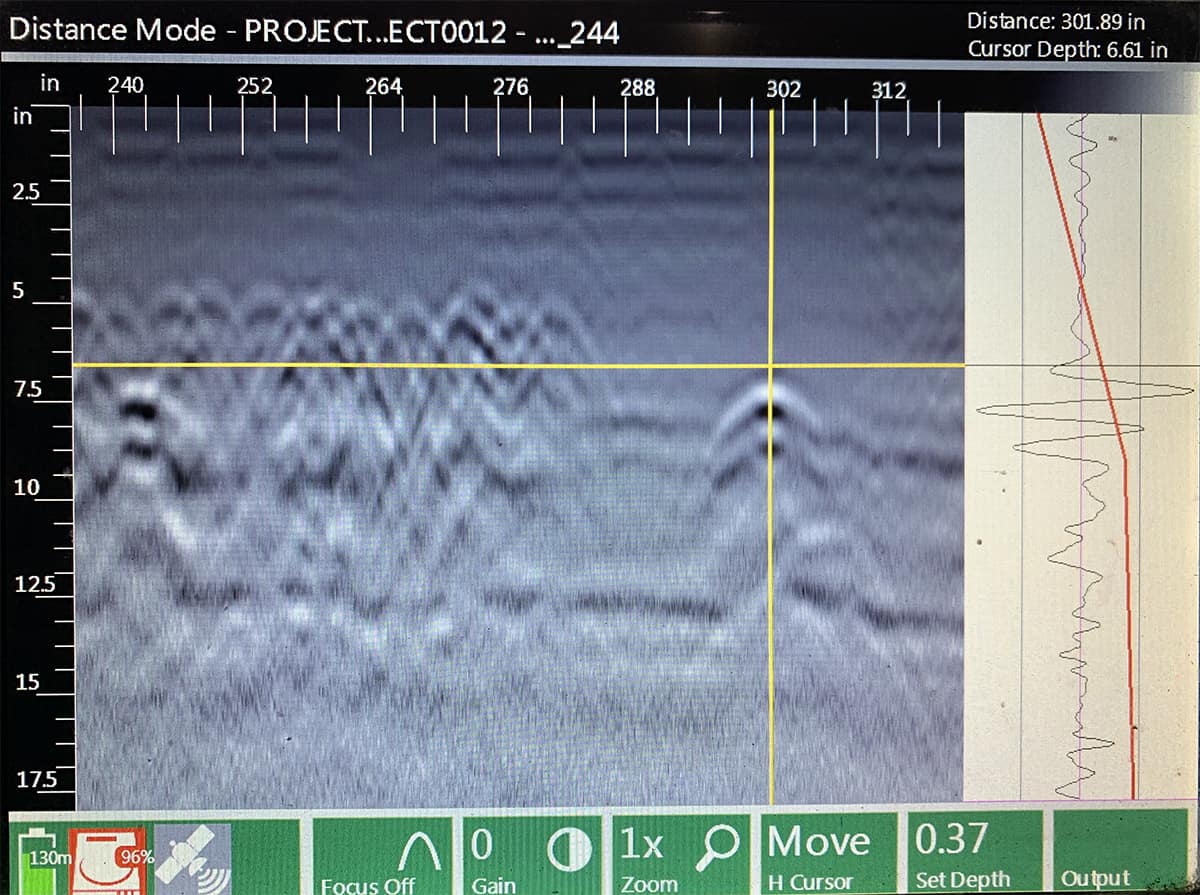
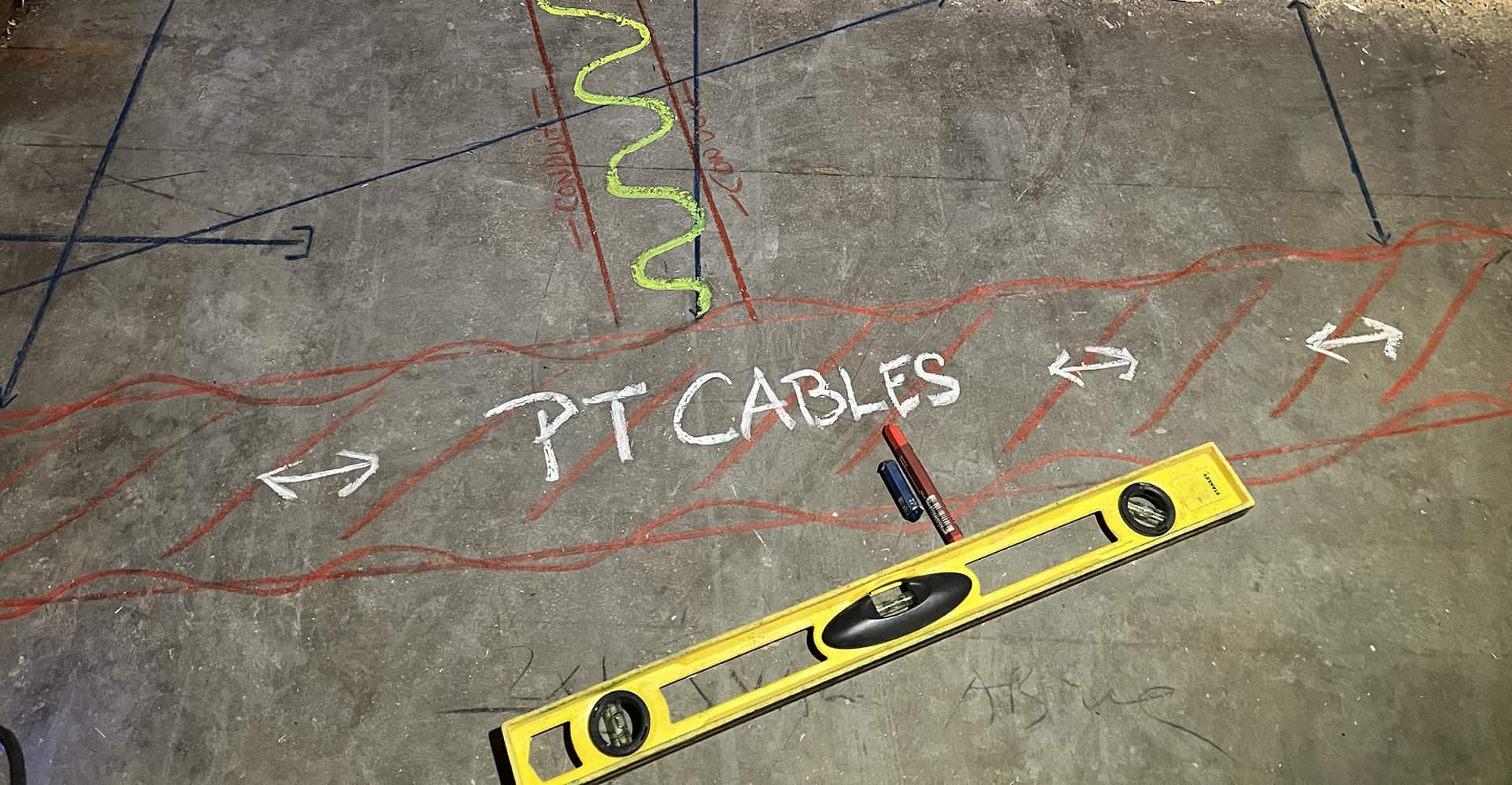
High-frequency GPR (ground penetrating radar) maps rebar, post-tension cables, conduits and voids inside slabs, walls, and elevated decks, before you cut or core.
Underground Utility Locating
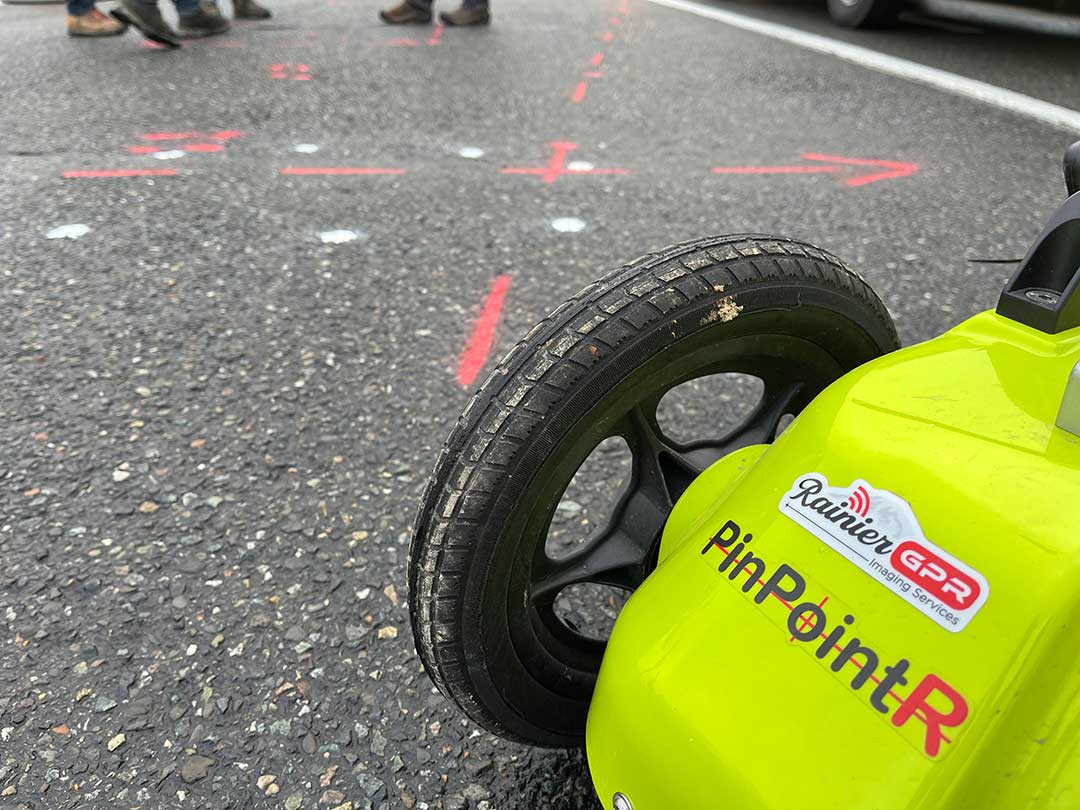
Ground penetrating radar + electromagnetic locating finds water, sewer, gas, electric, telecom and fiber, including the private lines 811 won’t mark.
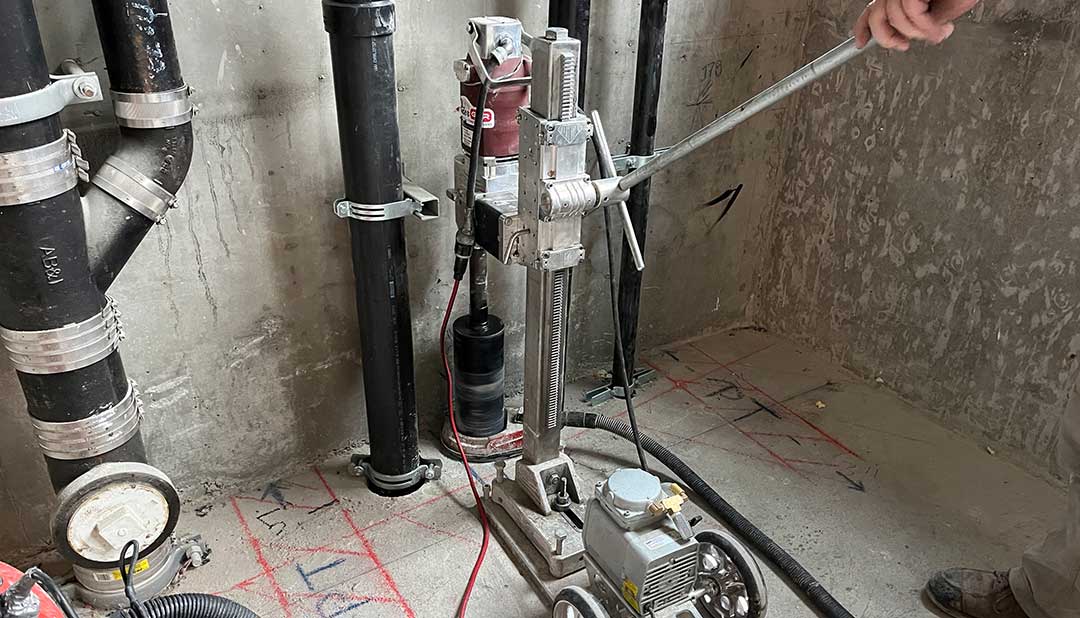
Concrete Core Drilling
Precision coring for plumbing, electrical, and HVAC penetrations. Scanned first, so every hole lands clean the first time.
What we find: in the industry’s own colors
Every ground-penetrating-radar locate we mark follows the APWA uniform color code, the same paint your crews already read on site.
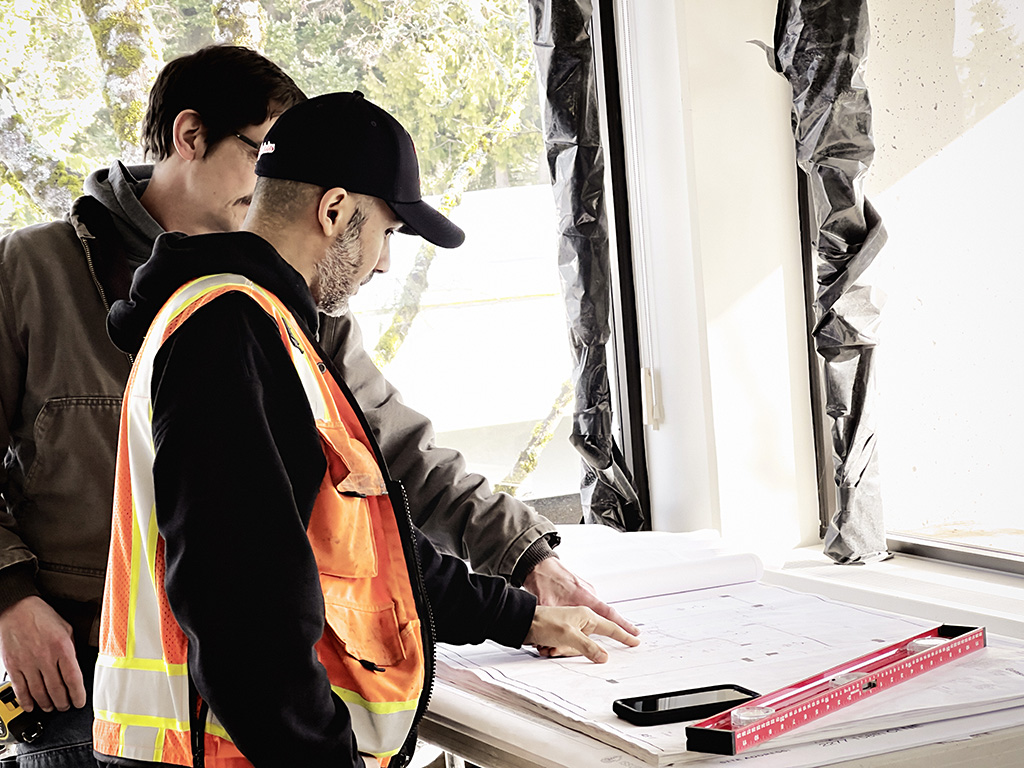
Scan. Mark. Document.
We scan
High-frequency GPR sweeps of your slab or site. Most scans finish in under 15 minutes per location: no radiation, no evacuating the area, no downtime.
We mark
Findings marked directly on the surface in industry-standard color code, with depth estimates. Your crew can cut, core, or dig the moment we leave.
We document
Digital field report with annotated photos of every located target: proof for the GC, the engineer, and the permit file.
The most expensive marks are the ones that aren’t there.
A severed PT cable
Post-tension strands are under tons of load. Cut one and you’re into structural repair, engineering review, and a stopped job, the same risk in Seattle’s Seismic Category D towers and Orlando’s post-tensioned parking decks.
A hit conduit
Live electrical in the slab means shock risk for your crew and an outage for the building: a non-starter in hospitals, occupied offices, and live retail.
811 stops at the meter
Public locates end where private property begins. Campus steam, fiber, irrigation, and emergency power, every private line past the meter, never make the ticket.
As-builts that lie
Seattle slabs go back a century; Central Florida poured fast through the boom. Undocumented modifications are the rule, not the exception, the drawings won’t save you.
We scan first, so none of this happens on your job.
Seattle-grown. Orlando-ready.
50+ projects, written up like lab notes
Every job gets a case study: what we scanned, what we found, what it saved. Hospitals, stadium hotels, schools, high-rises. Read the actual field reports.
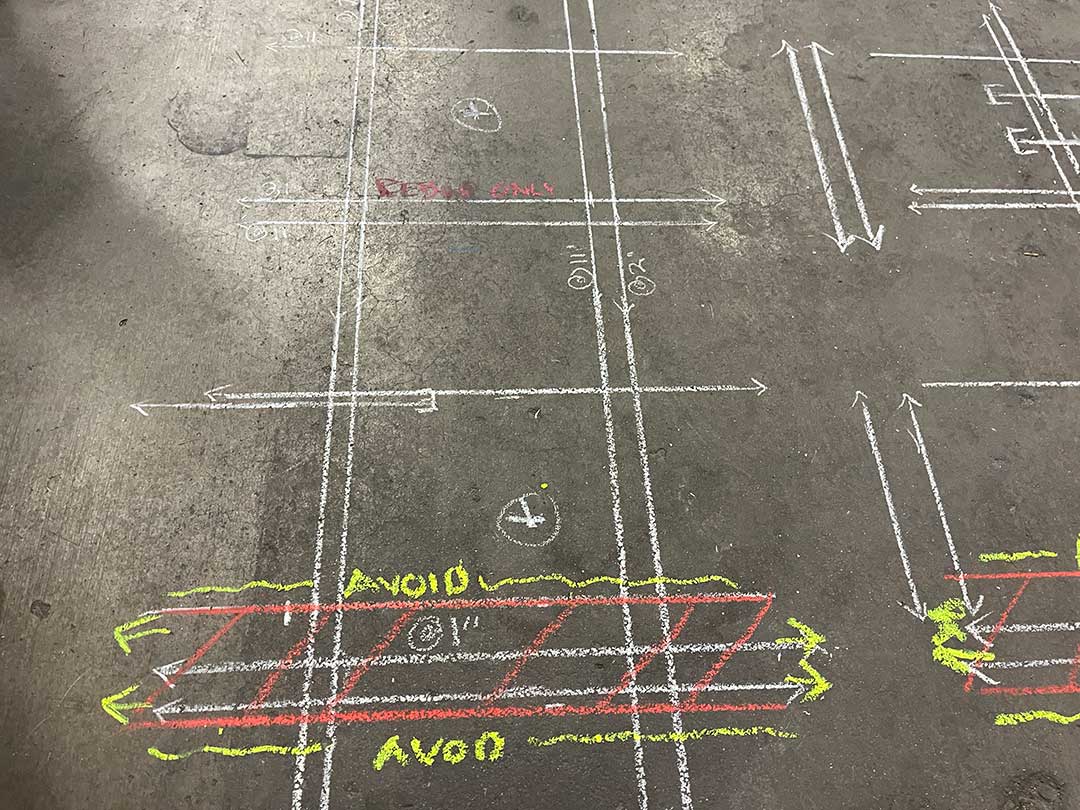
Boeing machine installation
Slab scanned and marked for heavy machine anchoring. Avoid zones flagged in the industry color code before a single bolt went in.

Sound Transit light rail
Scanning along active light-rail infrastructure. Subsurface verified around track slab and platforms on a working corridor.
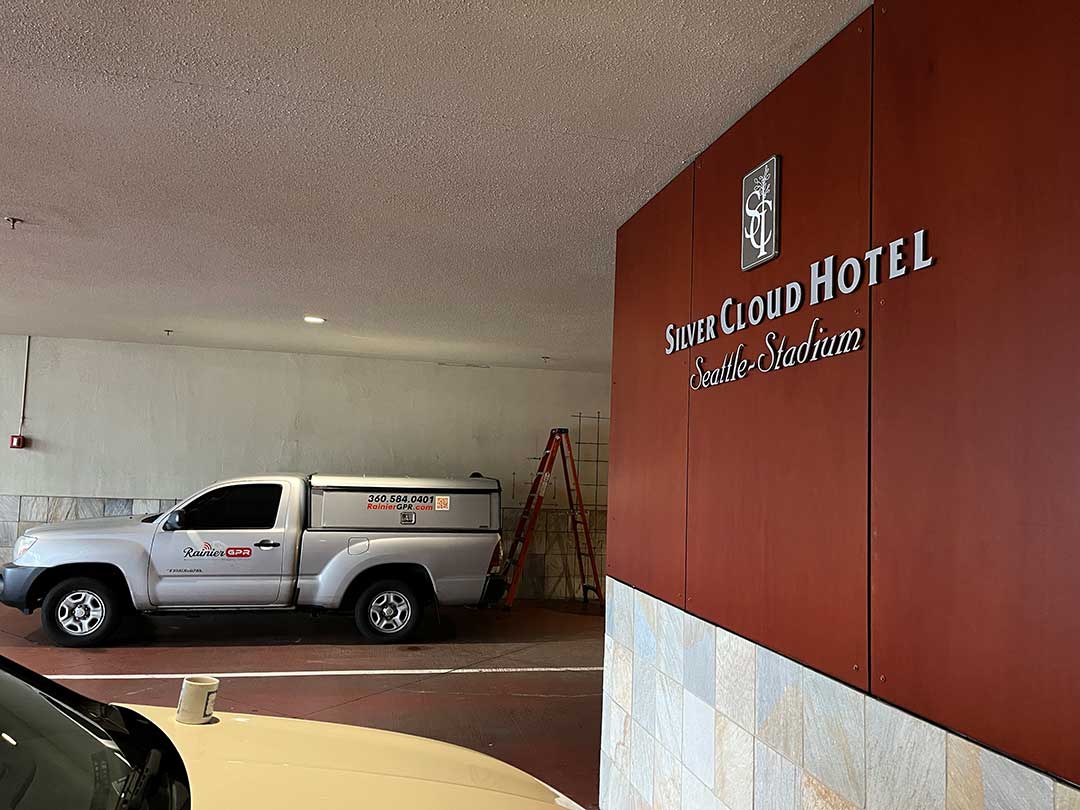
Silver Cloud Stadium Hotel
On-structure scanning at Seattle’s stadium-district hotel. Post-tension decks mapped so mechanical work could core with confidence.
Contractors keep our number saved
We have been using Tony and crew at all of our projects since he went into business. He has treated us exactly like we are the only customers even as he has gotten bigger and bigger! Always there when we need him and always performs with the same high standards he’s had since day 1! We definitely recommend!
As a General Contractor with a thousand balls in the air at any one given time, I love working with Tony and his team. Rainier GPR is always quick to turn around pricing and scheduling short notice scans when necessary to keep our projects rolling.
We have been using Rainer GPR Concrete Scanning over the last year on many of our commercial building projects. Tony is reliable, good at what he does and documents his work very well.
What ground penetrating radar sees: and why crews choose it over X-ray
Ground penetrating radar (GPR) sends high-frequency radio pulses into concrete or soil and reads the reflections: a non-destructive way to image what’s inside a slab or under a site before anyone cuts, cores, or digs. On a typical concrete scan we resolve rebar patterns, post-tension cables, electrical conduit, slab thickness, and voids beneath slab-on-grade. The exact hazards that turn a routine penetration into a structural repair or an electrocution risk.
Where GPR concrete scanning really earns its keep is post-tensioned construction. Seattle and Orlando are full of PT slabs and elevated decks. Hit a tensioned cable and you’re not patching concrete, you’re staging an emergency repair. We map cable runs and mark safe cut zones directly on the slab, then document everything in a same-day field report your GC and engineer can file.
Compared with concrete X-ray, GPR needs access to only one side of the slab, involves zero radiation (no evacuating the floor, no radiation permits) and scans most locations in about 15 minutes. That’s why GPR has become the default for concrete imaging on occupied buildings, hospitals, schools, and active job sites across the Pacific Northwest and Central Florida.
Scanning question? Call the local line, WA (360) 584-0401 · FL (407) 493-3525, or read the answers below.
What everyone asks before they book
Get your scan on the schedule
Tell us what you’re cutting, coring, or digging. We scope it and call back with a firm number.